

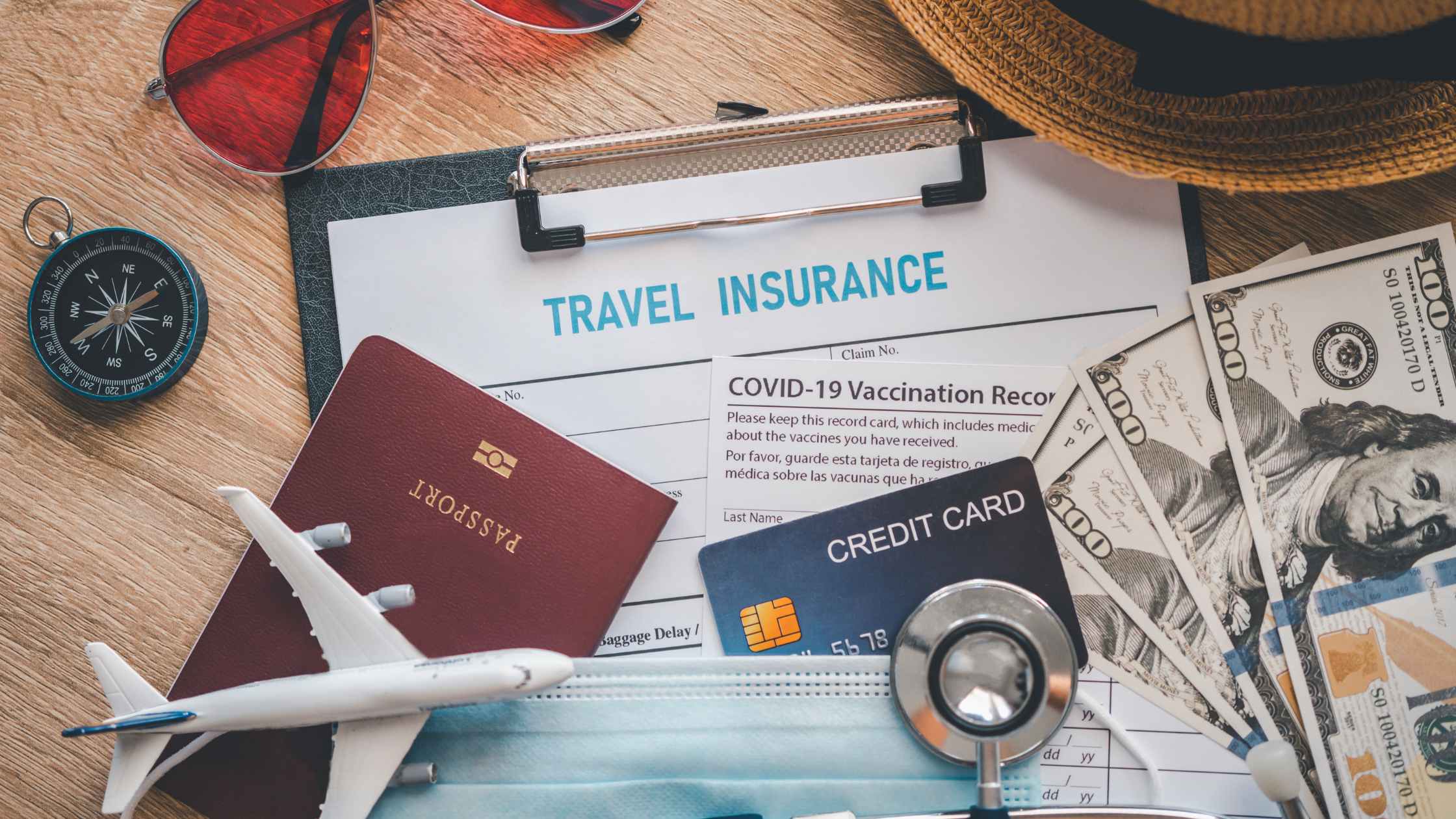

Traveling abroad can be an exciting and enriching experience, but it also comes with its own set of risks and challenges. Being prepared for emergencies is crucial to ensure your safety and well-being while exploring new destinations. This article will guide you through essential steps to take before and during your travels to stay safe. From understanding local risks to having a solid emergency plan, these strategies will help you navigate unforeseen situations with confidence and ease.
UNDERSTANDING LOCAL RISKS
Before embarking on your journey, it is important to research and understand the specific risks associated with your destination. Different countries and regions may have varying levels of safety, health concerns, and environmental hazards. Start by checking travel advisories issued by your government, which provide up-to-date information on potential threats such as political instability, natural disasters, or health outbreaks. Additionally, familiarize yourself with the local laws and customs to avoid inadvertently breaking any rules that could lead to legal trouble.
Understanding the local climate and geography is also crucial. Some areas may be prone to natural disasters like earthquakes, hurricanes, or floods. Knowing the seasonal weather patterns can help you pack appropriately and plan your activities accordingly. Furthermore, being aware of common health risks, such as diseases prevalent in the area, allows you to take preventive measures like vaccinations or carrying necessary medications. By thoroughly researching and understanding the local risks, you can better prepare yourself for any emergencies that may arise during your travels.
CREATING A COMPREHENSIVE EMERGENCY PLAN
Having a well-thought-out emergency plan is essential for any traveler. Start by ensuring that you have comprehensive travel insurance that covers medical emergencies, trip cancellations, and other unforeseen events. Keep a copy of your insurance policy and emergency contact numbers easily accessible. It is also wise to register with your embassy or consulate upon arrival in a foreign country. This allows them to contact you in case of an emergency and provide assistance if needed.
Prepare a list of local emergency numbers, including police, ambulance, and fire services, and save them in your phone. Additionally, identify the nearest hospitals and medical facilities to your accommodation. Having this information readily available can save valuable time in an emergency. Make sure to share your travel itinerary and contact details with a trusted friend or family member back home. Regular check-ins with them can provide an extra layer of security and ensure someone is aware of your whereabouts.
PACKING ESSENTIAL EMERGENCY SUPPLIES
Packing the right emergency supplies can make a significant difference in how you handle unexpected situations. Start with a basic first aid kit that includes bandages, antiseptic wipes, pain relievers, and any personal medications you may need. Consider adding items like a digital thermometer, insect repellent, and sunscreen, depending on your destination. A portable charger and power bank are also essential to keep your devices charged in case of power outages or long travel days.
In addition to medical supplies, pack a small emergency kit with items like a flashlight, multi-tool, and whistle. These can be invaluable in situations where you need to signal for help or navigate in the dark. Carry a copy of important documents, such as your passport, visa, and travel insurance, in both physical and digital formats. This ensures you have access to them even if your belongings are lost or stolen. By packing these essential emergency supplies, you can be better prepared to handle any challenges that come your way.
STAYING VIGILANT AND ADAPTING TO SITUATIONS
While preparation is key, staying vigilant and adaptable during your travels is equally important. Always be aware of your surroundings and trust your instincts. If a situation feels unsafe, remove yourself from it as quickly as possible. Avoid displaying signs of wealth, such as expensive jewelry or electronics, which can make you a target for theft. Keep your belongings secure and be cautious when using public transportation or visiting crowded areas.
Stay informed about local news and developments that may affect your safety. This can include anything from political protests to weather warnings. Many countries have apps or websites that provide real-time updates on emergencies and safety alerts. Being adaptable also means being prepared to change your plans if necessary. Flexibility can be a valuable asset when dealing with unexpected events, allowing you to make quick decisions that prioritize your safety.
In conclusion, emergency preparedness is a vital aspect of traveling abroad. By understanding local risks, creating a comprehensive emergency plan, packing essential supplies, and staying vigilant, you can significantly enhance your safety and peace of mind while exploring new destinations. Remember that being prepared does not mean expecting the worst, but rather equipping yourself with the knowledge and tools to handle any situation that may arise. With these strategies in place, you can focus on enjoying your travels and creating unforgettable memories. For those interested in further preparation, consider looking for cpr training near me.